
Cirencester and surround
Cirencester is a market town in Gloucestershire, just 80 miles west of London. It lies on the River Churn, a tributary of the River Thames, and is the largest town in the Cotswolds. This historic Roman town is just minutes from beautiful countryside, picturesque Cotswold villages, and good road links via the M4 and M5 motorways.
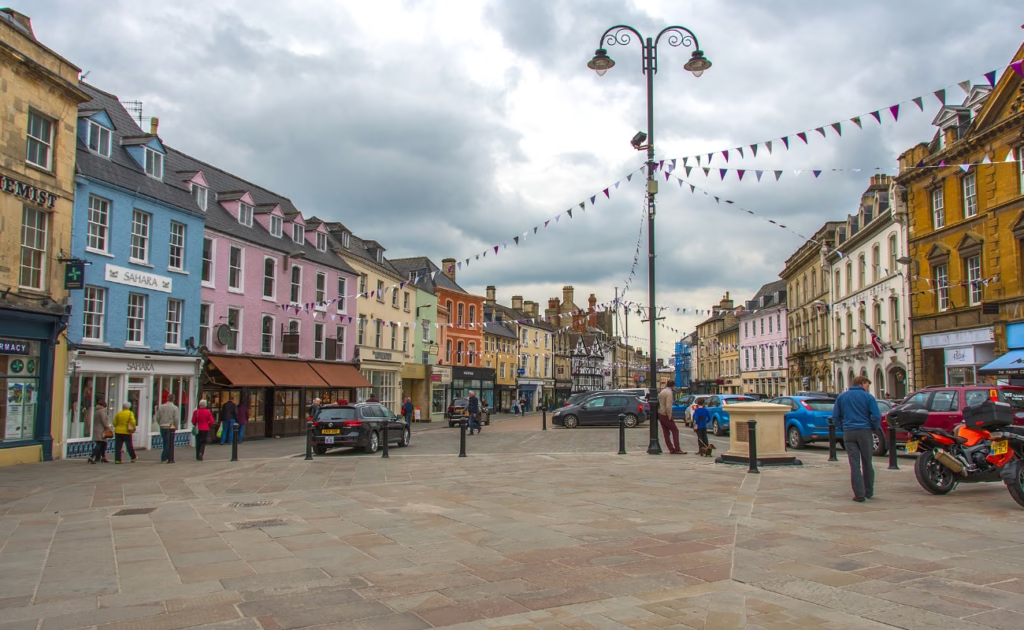
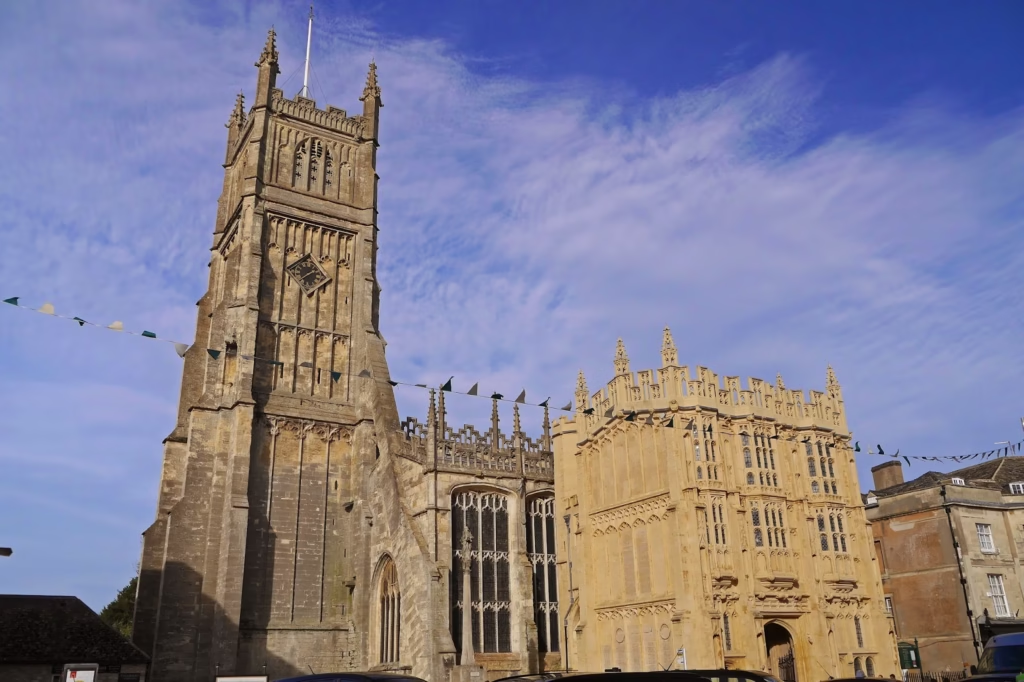
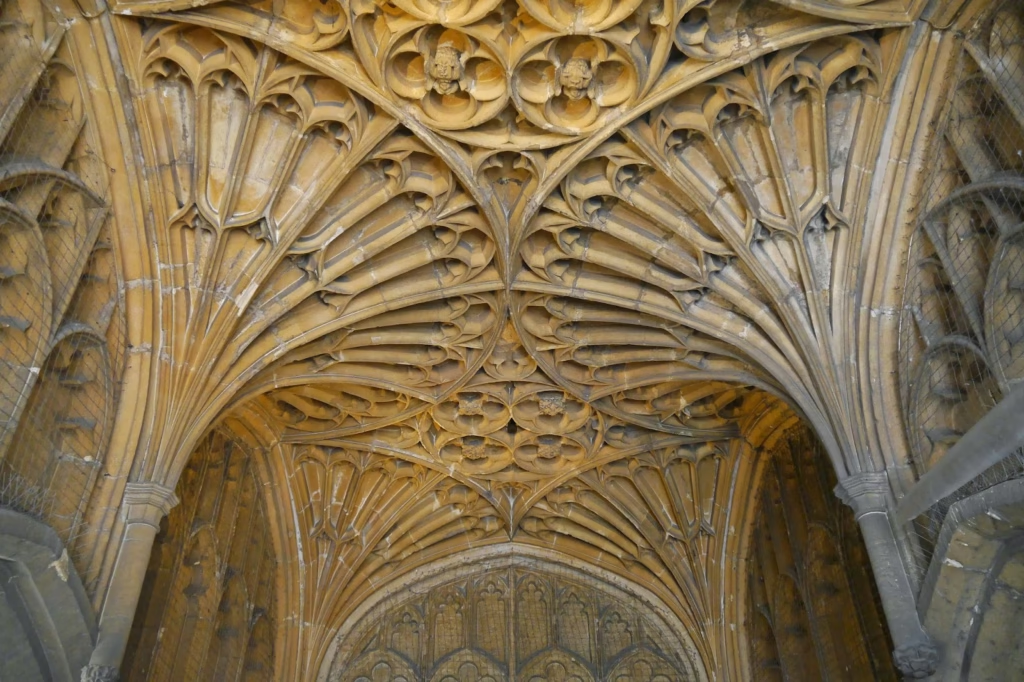
Cirencester was selected by Emperor Claudius after the roman invasion in AD 43 as the location for a military fort. A civilian settlement grew up nearby and prospered. During the Middle Ages, the city starts to grow again: it begins a market next to the Roman remains. An abbey is founded, and a hospital built. It becomes a very prosperous wool town in the medieval period, which is the basis for the charming town with ancient honey-coloured stone buildings in picturesque narrow streets that you can visit today.
The Corinium Museum
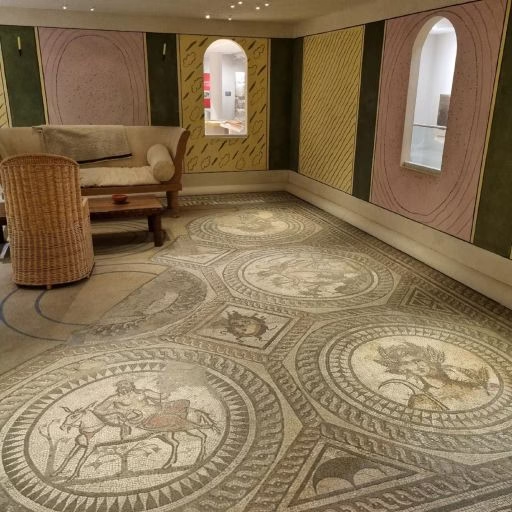
Home to one of the largest collections of Romano-British antiquities extensively from Corinium, Roman Britain’s second largest city. You can find the work of Prehistoric metal smiths. Marvel at the Roman mosaics as you take a peek through the window of a Roman villa. Experience the Medieval Sculpture, Civil War coin hoards, and the elegance of Victorian Cirencester.
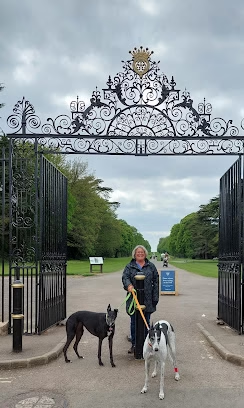
Cirencester Park
Come see the herd of fallow deer roaming in the grounds of the Bathurst Estate, which are open to the public for walking and horseriding.
Over the years Cirencester Park has been a deer park, a military base, a hospital, and the venue for a Glenn Miller concert. It was originally laid out in the 1700s as a deer park by the first Earl Bathurst. It remained that way until the First World War when it became a military camp, once home to the Warwickshire Yeomanry.
Cirencester Amphitheatre
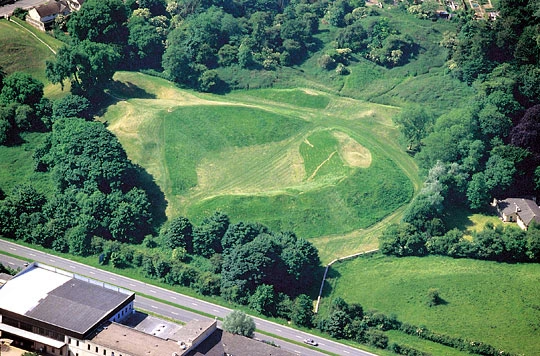
The massive earthwork remains of one of the largest Roman amphitheatres in Britain.
Transport
Cirencester does not have a train station, however, Kemble train station has connections to Swindon and London Paddington to the east, and Gloucester and Cheltenham to the north. There is a National Express Bus service to Heathrow Airport and London Victoria from the Beeches Car Park (near the town centre).
Click on links above to show location on Google maps